Windows 11 introduces Recall Snapshots, a feature designed to enhance user experience by creating automatic backups of your system's state. While useful for recovery, some users may find this feature unnecessary or a drain on system resources. This article will guide you through turning off Recall Snapshots, explain who might benefit from doing so, and explore the technical aspects of these snapshots within the Windows 11 ecosystem.
Quick Solution
To turn off Recall Snapshots in Windows 11, begin by opening the Settings app. You can access this by clicking the Start menu and selecting the gear icon. Once in Settings, navigate to System > Storage. Here, you'll find the option for "Recall Snapshots." Simply toggle the switch to the off position to stop Windows from automatically creating snapshots of your system state.
Recall Snapshots are designed to capture your system's current configuration, installed applications, and settings. According to Microsoft, this feature enhances system reliability by providing quick recovery options in case of system failures or accidental deletions. However, this may not be suitable for everyone, especially those with limited storage space.
For devices with smaller hard drives, the accumulation of these snapshots can become problematic. They consume disk space, which over time can lead to reduced available storage, potentially affecting system performance. Additionally, managing these snapshots requires system resources, which may slow down older or less powerful hardware. Users with high-performance systems, as highlighted on Microsoft's high-performance computers page, might not experience these issues to the same extent.
Deciding whether to disable Recall Snapshots depends on your specific needs and hardware capabilities. If you have a high-performance device with ample storage, the impact of Recall Snapshots on performance and storage might be negligible. However, if you are using a device with limited resources, turning off this feature could help free up valuable space and improve system responsiveness.
Ultimately, the decision to disable Recall Snapshots should weigh the trade-off between potential recovery benefits and the impact on system resources. For those prioritizing storage space and system speed over recovery options, turning off Recall Snapshots could be the right choice. Always ensure you have alternative backup solutions in place if you choose to disable this feature.
This solution is particularly fitting for users with devices that have limited storage or older hardware that might struggle with the additional resource demands of managing Recall Snapshots. For high-performance systems, the feature's impact is minimal, allowing users to benefit from its recovery capabilities without a significant trade-off.
Pros and Cons of Recall Snapshots vs. Manual Backups
| Feature | Recall Snapshots | Manual Backups |
|---|---|---|
| Automation | Automatic | Manual |
| Storage Use | High | Variable |
| Recovery Speed | Fast | Depends on method |
| Control | Limited | High |

Recall Snapshots automate the backup process, reducing the need for user intervention. However, they can consume significant storage and may not offer the same level of control as manual backups. Manual backups, on the other hand, allow users to decide what and when to back up, potentially saving storage space.
Situation 1: IT professionals or system administrators managing large networks may need to disable Recall Snapshots to maintain performance or comply with security policies. These users prioritize system stability and security across multiple devices.
Situation 2: Developers working on Windows applications might disable Recall Snapshots during testing to manage state independently. This helps identify bugs or performance issues that automatic state-saving could mask.
Situation 3: Privacy-conscious users who prefer more control over what their system saves may opt to disable Recall Snapshots. These users are concerned about data retention and prefer manual system state management.
To disable Recall Snapshots, start by accessing the system settings with the Windows key and typing "Settings." Go to "System" and select "Storage." Within storage management options, find "Recall Snapshots" and toggle it off. Confirm any changes you make.
Disabling this feature might affect application load speeds. If you rely on quick access to large files or apps, consider how this change will impact your workflow. Always back up important data before making significant system changes.
Turning off Recall Snapshots without understanding their purpose can lead to a lack of recovery options. Microsoft explains that these snapshots help revert to previous app states, providing a safety net against unwanted changes. Disabling them without consideration can reduce recovery capabilities.
Following incorrect procedures to disable Recall Snapshots can result in system instability. Users should follow Microsoft's official guidelines to ensure safe and effective disabling.
Neglecting to assess performance impacts is another common oversight. While disabling snapshots can free up storage, it may also affect recovery from crashes or errors. Users should balance the benefits of more storage against the potential risks.
More in Windows
Who this is for
Turning off Windows 11 recall snapshots is a task relevant to specific user situations. Understanding who might need to disable this feature can help in determining if it's a necessary step for you.
Situation 1: Users with Limited Storage Capacity. If you are operating a device with limited storage, disabling recall snapshots could be beneficial. Recall snapshots are designed to help users recover applications and settings, but they also consume storage space. For users with devices like a 12-inch laptop (as noted by Microsoft), managing storage is crucial. The feature might not be necessary if you're confident in your backup routines and need to free up space.
Situation 2: Advanced Users and Developers. Advanced users who frequently modify system settings or developers testing applications might prefer to disable recall snapshots. This feature can interfere with custom configurations or development environments by restoring settings to a previous state. If you are developing Windows apps, as outlined in Microsoft's recall overview, disabling snapshots can ensure your settings remain consistent after each reboot or update.
Situation 3: Users Seeking Enhanced System Performance. Some users prioritize system performance over convenience features. Recall snapshots can introduce slight overhead, potentially affecting system speed. For those using high-performance computers, which Microsoft lists starting at $949.99, every bit of performance counts. Disabling recall snapshots might contribute to a more streamlined system experience, especially if you regularly maintain backups and have other recovery options in place.
Understanding these situations can guide your decision on whether disabling Windows 11 recall snapshots aligns with your needs and usage patterns.
When managing Windows 11 systems, one common issue that can arise is the misuse of recall snapshots, a feature designed to help developers integrate applications more smoothly with the operating system. According to Microsoft Learn, recall snapshots are intended to capture the state of an application at a specific moment, allowing developers to revert to that state if needed. However, improper handling of this feature can lead to unnecessary resource consumption and system slowdowns.
One major mistake is failing to turn off recall snapshots when they are no longer needed. Leaving them enabled can consume significant storage space and processing power, as the system continuously tracks changes and stores multiple snapshots. This can be particularly wasteful on devices with limited storage capacity, such as the 12-inch models highlighted by Microsoft, which are priced at $949.99. These devices, while high-performing, may not handle excessive snapshot data efficiently.
Another error is misunderstanding the purpose of recall snapshots. They are primarily designed for application development and testing environments, not for general system backups. Misusing this feature for regular data backup can lead to confusion and potential data loss, as it does not provide the comprehensive protection that dedicated backup solutions offer.
To avoid these pitfalls, users should ensure that recall snapshots are disabled after their intended use is complete. This involves accessing the system settings and manually turning off the feature, which can free up resources and improve overall system performance. Additionally, users should explore alternative backup solutions that are more suited to their needs, ensuring both data integrity and system efficiency. By understanding and correctly managing recall snapshots, users can maintain optimal performance and avoid unnecessary complications in their Windows 11 systems.
Understanding Windows 11 Recall Snapshots
Windows 11 Recall Snapshots are a built-in feature aimed at improving data recovery by automatically capturing system states and file changes. According to Microsoft, these snapshots enable users to revert their systems to previous states, which can be particularly beneficial for those who frequently install new software or make significant system changes. Essentially, this feature acts as a safety net, allowing users to recover from unintended alterations or software conflicts without substantial data loss.

However, the automatic nature of Recall Snapshots may not be ideal for everyone. Some users might find them intrusive or unnecessary, especially if they prefer manual backup methods. For instance, users with limited storage capacity might be concerned about the space consumed by these snapshots. Additionally, those who are meticulous about system performance might worry about potential slowdowns due to frequent snapshot creation.
Disabling Recall Snapshots can be a practical choice for users who wish to manage their storage space more efficiently or maintain greater control over their backup processes. This can be done through the system settings, allowing users to decide when and how their data should be backed up. It's crucial to weigh the benefits of automatic backups against the desire for manual control. Users who prioritize having a streamlined system with minimal background processes might opt to turn off this feature. Conversely, those who value the security of having automatic backups may choose to keep it enabled.
The decision to disable Recall Snapshots should also consider the specific needs of the user. For example, individuals who use high-performance laptops, such as those priced at $949.99 according to Microsoft, might have sufficient resources to handle the additional load of automatic snapshots without noticeable performance degradation. Ultimately, the choice hinges on balancing the convenience of automatic data recovery with the user's preference for system management and performance optimization.
In summary, Windows 11 Recall Snapshots offer a convenient way to ensure data recovery, but they may not suit every user's needs. By considering factors such as storage capacity, system performance, and personal preferences, users can make an informed decision on whether to keep or disable this feature.
Alternatives to Recall Snapshots
For those considering turning off Recall Snapshots in Windows 11, there are several alternative backup solutions that can be tailored to fit different needs. One common choice is third-party backup software, which often provides more flexibility and customization than built-in options. These programs allow users to set specific backup schedules, which can be particularly useful for those with complex data management requirements. A key feature of many third-party solutions is incremental backups, which save only the changes made since the last backup. This approach can significantly reduce both storage space and the time required for backups, making it an efficient option for users with large volumes of data.
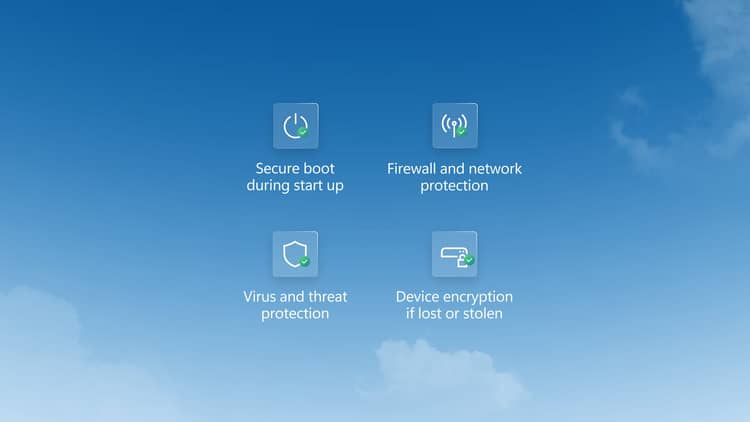
Additionally, third-party software frequently offers cloud storage integration. This feature allows users to store their backups offsite, providing an extra layer of security against data loss due to hardware failure or local disasters. Encryption is another standard feature, ensuring that backed-up data remains secure from unauthorized access, which is crucial for sensitive information.
Alternatively, Windows 11 includes a built-in tool called File History, which provides a straightforward method for backing up specific files and folders to an external drive. File History is particularly beneficial for users who want to protect important data without relying on system-wide snapshots. It supports regular, automatic backups, allowing users to access previous versions of their files as needed.
For those interested in system-level protection, manually creating system restore points is another option. System restore points capture the system state at a specific moment, allowing users to revert to a previous configuration if problems occur. Although this method is less comprehensive than a full backup, it can serve as a quick recovery option from system errors or unwanted changes.
When choosing among these alternatives, users should consider their specific needs and budget. Third-party software may offer more advanced features but often requires a financial investment, while File History and system restore points are integrated into Windows 11 and free to use. The decision should weigh factors such as the level of control desired, budget constraints, and data security needs. Ultimately, selecting the right backup strategy involves balancing these considerations to ensure comprehensive data protection.
Mistakes that waste the job
Turning off Windows 11 recall snapshots can be a critical task for users looking to manage their system's performance and storage. Recall snapshots are a feature designed to save system states, allowing users to revert to previous configurations if necessary. However, if not managed properly, they can consume significant storage resources, leading to inefficiencies. According to Microsoft Learn, recall snapshots are integrated into Windows apps for seamless system recovery. Yet, users often overlook the impact these snapshots can have on system performance, particularly in environments with limited storage capacity.

One common mistake is disabling recall snapshots without understanding the implications. While it might free up storage space, it also removes the safety net for recovering from system errors or updates that cause instability. Microsoft emphasizes that these snapshots are crucial for maintaining system integrity and should be managed judiciously rather than disabled outright.
Another error is failing to configure the frequency and retention settings of recall snapshots. Users can adjust these settings to optimize storage use while still benefiting from the feature's protective capabilities. Mismanagement here can lead to excessive storage consumption, negating the benefits of turning off snapshots entirely.
Furthermore, users sometimes underestimate the importance of regular system maintenance. Even with recall snapshots disabled, regular backups and updates are essential to prevent data loss and ensure system stability. Microsoft suggests a balanced approach, where users assess their specific needs and configure their systems accordingly, rather than opting for a blanket deactivation of features.
In summary, while turning off Windows 11 recall snapshots might seem like a straightforward way to save space, it requires careful consideration of the broader implications on system recovery and stability. Proper management and configuration of these snapshots can prevent potential pitfalls and ensure optimal system performance.
Frequently Asked Questions
What are Recall Snapshots in Windows 11?
Recall Snapshots are automatic backups of your system's state, allowing for quick recovery in case of issues.

How do I disable Recall Snapshots?
Navigate to Settings > System > Storage, then toggle off the "Recall Snapshots" option.
Will disabling Recall Snapshots affect my system's recovery options?
Disabling this feature removes automatic recovery, so ensure you have alternative backup solutions.
Do Recall Snapshots take up a lot of space?
Yes, they can consume significant disk space, especially if many snapshots are stored over time.
Are Recall Snapshots necessary for all users?
Not necessarily. Users with limited storage or who manage their own backups may not need this feature.
Sources
- [Microsoft Learn · manufacturer] Recall overview - Windows apps — Microsoft Learn
- [Microsoft · manufacturer] Shop High-Performance Laptops, Computers, PCs, and Tablets | Microsoft Windows — Microsoft
Photo: Microsoft (official product imagery)