
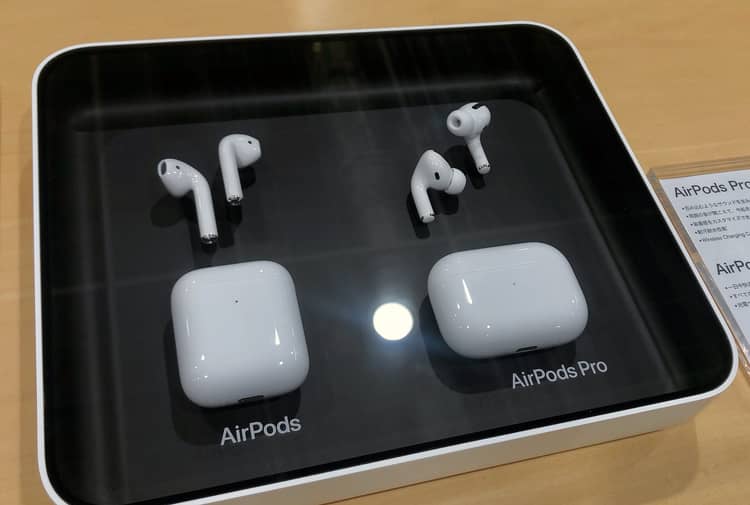
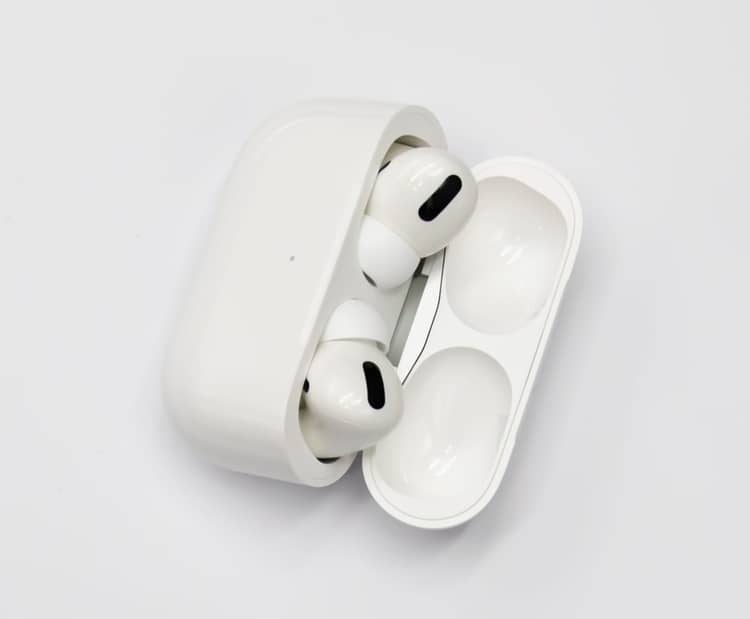
No. AirPods Pro are not waterproof. Apple’s support page on sweat and water resistance, published September 18, 2025, says AirPods Pro, AirPods 3, and AirPods 4 are sweat and water resistant, but they are not waterproof or sweatproof. They are not designed for swimming or showering. The lab rating you actually have depends on the generation, and the case is not always in the same class as the earbuds.
That is the whole answer. The rest of this page is how Apple writes the rating, what the numbers mean, and which daily jobs still fail even when the box says water resistant.
What Apple actually says
Apple does not sell a “waterproof AirPods Pro.” The company uses a lab label called an IP code. IP stands for Ingress Protection. It is a score from a test standard named IEC 60529. The first number after IP is dust. The second number is water. An X means that part was not rated.
Apple Support’s sweat-and-water page, published September 18, 2025, lists four AirPods Pro setups, not one. AirPods Pro 1 earbuds are IPX4. Their MagSafe Charging Case and Wireless Charging Case are not water resistant or sweat resistant. AirPods Pro 2 with the Lightning MagSafe case are IPX4 for the earbuds and the case. AirPods Pro 2 with the USB-C MagSafe case are IP54. AirPods Pro 3 and the USB-C MagSafe case are IP57. Apple also writes that AirPods Pro 3 were tested to a maximum depth of 1 meter for up to 30 minutes under that IP57 lab setup.
Apple’s AirPods Pro 3 spec sheet, retrieved August 29, 2026, repeats the current flagship line as dust, sweat, and water resistant at IP57 for the earbuds and the charging case. The compare footnotes on Apple’s AirPods Pro compare page, retrieved the same day, match the same split: IP54 on AirPods Pro 2, IP57 on AirPods Pro 3.
Read those pages as manufacturer claims from a lab, not as a swim test you can copy at a pool. Apple says resistance can fade with wear. Apple says the products cannot be rechecked or resealed. If a seal is tired, the printed IP code is history, not a promise.
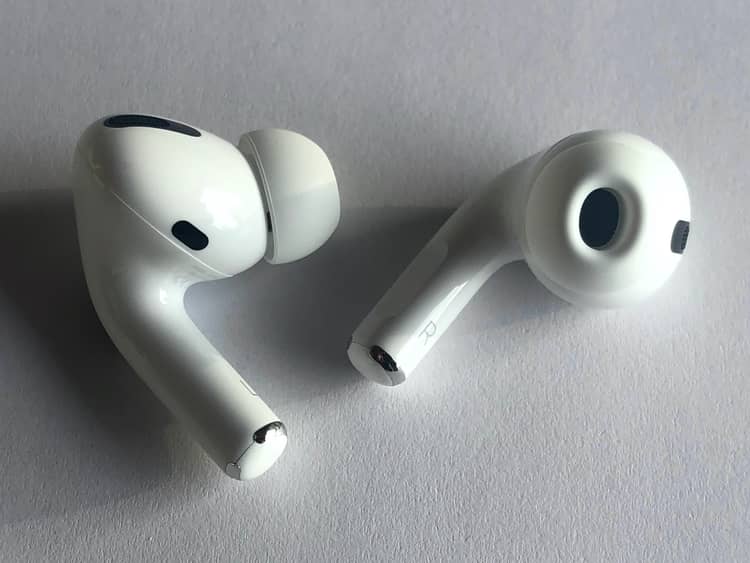
You can confirm the generation on an iPhone. Open Settings, tap the AirPods row when they are connected, and read the model name. Pro 1, Pro 2, and Pro 3 are named there. The case cable still matters for Pro 2: Lightning versus USB-C is how Apple splits IPX4 and IP54. If you only remember “they are Pros,” you do not yet know the rating.
The words on the box also matter. Waterproof would mean you can treat water as a non-event. Apple refuses that word. Water resistant means a controlled splash or sweat test passed on a new sample. It does not mean a shower, a sink, or a lake. IEC 60529 water digit 4 is about splashes from any direction in a lab. Water digit 7 is about a short immersion under a set depth and time. Neither digit is a license to use soap, salt pools, or a dishwasher.
If you came here from a fit problem, the silicone tips that make AirPods Pro look different from regular AirPods also change how they sit. A loose tip is a comfort issue first. See how to get AirPods to stay in your ear before you blame water for a bud that will not seal.
Bluetooth audio also does not need a home Wi-Fi network. If you are mixing “no signal” with “they got wet,” keep those jobs apart. Bluetooth does not need Wi-Fi for a basic phone pairing.
Ratings by generation
Apple’s 2025 support page is a version-diff table, not a single slogan. The previous generation is not the current one. Gen 3 is not gen 1 with a new color.
| Setup | Apple IP label | Dust digit | Water digit | Case in the same class? |
|---|---|---|---|---|
| AirPods Pro 1 earbuds | IPX4 | none (X) | 4 | No. Apple says the MagSafe and Wireless cases are not water or sweat resistant. |
| AirPods Pro 2 + Lightning MagSafe case | IPX4 | none (X) | 4 | Yes for that case. |
| AirPods Pro 2 + USB-C MagSafe case | IP54 | 5 | 4 | Yes for that case. |
| AirPods Pro 3 + USB-C MagSafe case | IP57 | 5 | 7 | Yes. Apple also cites 1 meter for up to 30 minutes in the IP57 lab note. |
The water digit on AirPods Pro 3 is 7. On AirPods Pro 1 it is 4. That is 3 IEC water steps. 7 is 75% more than 4. That jump is why people think “the new ones are waterproof.” They are not. They are still in Apple’s “resistant, not waterproof” sentence.
A water digit of 4 is a splash class. It is not a soak class. A water digit of 7 is a short, shallow lab dunk class. Apple still says do not swim with AirPods Pro. Apple still says do not wear them in a shower. The 1 meter / 30 minute note on Pro 3 is a lab ceiling, not a sport.
People also collapse “IP57” into “the case can live in a wet bathroom.” The rating is for the product as tested, with seals new, in a lab. A bathroom adds steam, soap film, and heat. Apple lists saunas, steam rooms, and running water as things to avoid. A closed case on a dry shelf is closer to the test than a case on the edge of a tub.
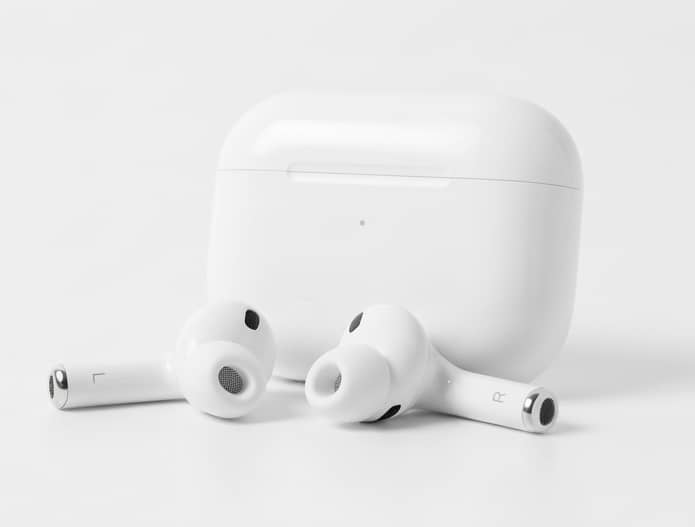
Dust digits only show up on the USB-C Pro 2 case and on Pro 3. IP54 and IP57 both use a 5 for dust. The X on Pro 1 and Lightning Pro 2 means Apple did not publish a dust class for those SKUs. Do not invent one.
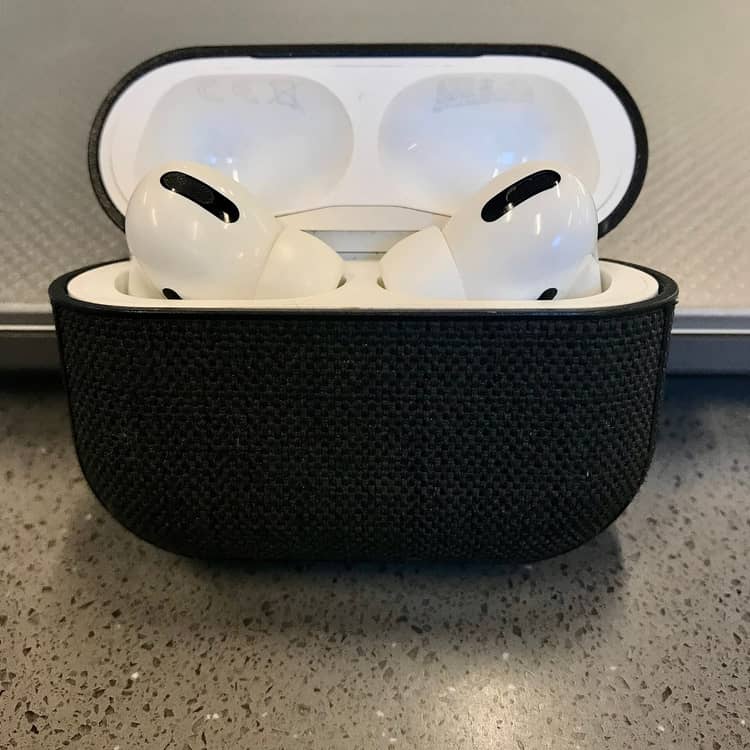
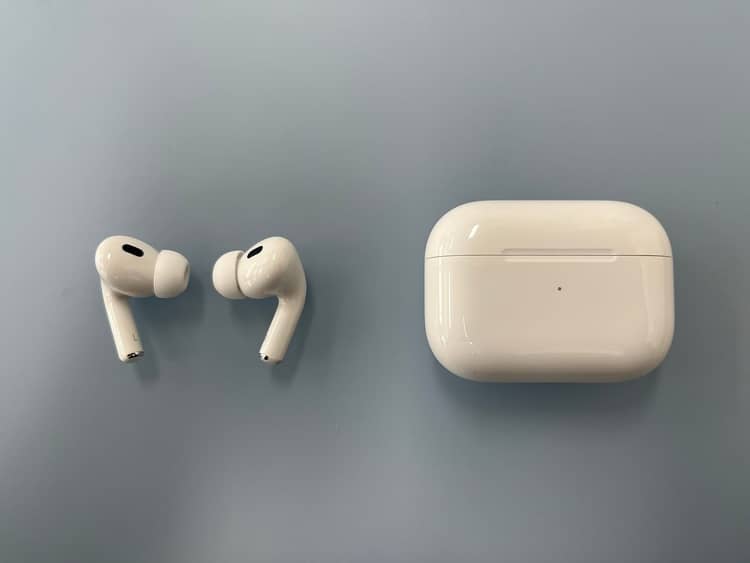
If you need to know which setup you own, look at the case more than the bud. Lightning Pro 2 and USB-C Pro 2 can look similar in a pocket. The cable you charge with is the tell. Lightning is the older wide-flat plug. USB-C is the oval plug used on current iPhones. Apple’s support page splits IPX4 and IP54 on that cable change, not on the color of the buds.
Pick the USB-C Pro 2 or Pro 3 if you want the case in a dust-and-splash class. Skip the idea that Pro 1’s case can sit in a wet gym bag. Apple says that case is not rated.
More in Apple
What the rating does not cover
Apple’s do-not list is more useful than the IP code. Do not put AirPods under running water, such as a shower or a faucet. Do not swim with them. Do not put them in a washer or dryer. Do not wear them in a sauna or steam room. Do not expose them to high-velocity water, such as water skiing. Do not drop them on purpose and then trust the seal.
Apple also says do not submerge AirPods Pro 1, AirPods Pro 2, AirPods 3, or AirPods 4. Pro 3 has the IP57 1 meter note, and that SKU is not in that “do not submerge” sentence. That is a real version-diff. It is still not a swim license. Apple’s opening rule for the whole family is: not waterproof, not for water sports, not for showering.
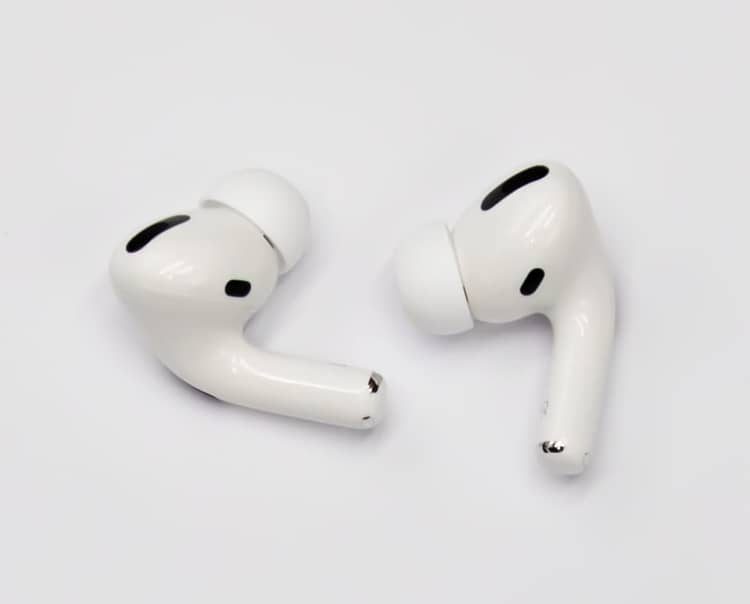
Soap, shampoo, conditioner, lotion, perfume, solvent, detergent, acid, insect repellent, sunscreen, oil, and hair dye are all on Apple’s avoid list. Those chemicals can hurt water seals and the tiny speaker meshes. A “water resistant” bud that sat in shampoo is not the same object Apple sent through IEC 60529.
Heat and compressed air are also out. If they get wet, Apple says wipe with a soft, dry, lint-free cloth. Then wait. Apple’s wet-exposure note says let them dry at least two hours before you use them or put them in the case. Do not charge them wet.
That last rule is easy to miss. The case is a charger. A wet bud in a live case is a corrosion job, not a drying job. If the case itself is wet, the same wait applies.
Sweat is the honest daily test. Gym sweat is salty. Salt is not the IEC lab’s distilled splash. Apple still rates the buds for non-water sports and exercise. That is the intended job: a run, a ride, a hot walk. It is not a pool lap.
Non-water sports is Apple’s phrase. It means the water you meet is sweat or a splash, not the activity itself being in water. A spin class fits. A lap swim does not. A trail run in drizzle is a gray zone: closer to splash than a shower, still not a test you can repeat forever. Wipe after. Dry before the case. That is the published care path.
If you need a headphone for a pool, this product line is the wrong tool. AirPods Pro does not work with swimming as a designed use. Compatible with a sweaty commute is the claim. Compatible with a shower is not.
Who this is for
Situation 1: You run or lift and you sweat through a shirt. Apple’s intended use is non-water sports and exercise. Wipe the buds before they go back in the case. If you own Pro 1, treat the case as dry-only. If you own USB-C Pro 2 or Pro 3, the case is in the same IP class as the buds, but sweat still needs a wipe. Skip tossing a soaked pair straight into the case.
Situation 2: You walk in rain and you want a podcast in your ears. A water digit of 4 is a splash class. Rain is splash plus wind plus time. If you need to commute in rain, pick the newest rating you already own and keep the case shut in a pocket, not in a cup holder full of runoff. Skip standing under a downspout to “see if they are waterproof.” They are not.
Situation 3: You want to shower, wash your face at the sink, or swim. Best if you need a wet-room headphone is a product Apple actually rates for that job. AirPods Pro is not that product. Apple says they are not designed for swimming or showering. Choose a different device when the plan is water as the environment, not sweat as a side effect.
These three jobs share one rule: match the plan to Apple’s sentence, not to a forum post. If the plan is sweat, the rating is in play. If the plan is a stream of water, stop.
People also mix fit with water. A Pro tip that does not seal will feel like it “lets water in” even when you only meant sweat. Fix the tip size first. The stay-in-ear guide on this site is the fit page. This page is the water page. Keep them separate.
If you share one pair across two people, wipe between uses for the same reason you wipe after a workout. The rating does not cover lotion, hair product, or makeup on the seals. Apple’s chemical list is the care rule there, not a new IP number.
Apple’s recovery steps are short. Wipe with a soft, dry, lint-free cloth. Do not use a heater. Do not use a hair dryer on high. Do not use compressed air. If liquid got in through a shower, a sink, or a swim you should not have taken, wait at least two hours before use or charging.
If dust is the issue, Apple says wipe with the same dry cloth. Do not spray cleaner. Do not blow canned air into the meshes.
Charging while wet is the fast way to turn a splash into a dead stem. Apple’s spec footnotes send you to their cleaning and drying page for that step. The rule on the water page is already enough: dry first, then charge.
Normal wear is the slow way the rating dies. A drop, a cracked case lip, or a chewed tip can open a path the lab never retests. Apple says the products cannot be resealed for a new IP check. If a bud already rattles or the case lid does not close flush, do not treat the old IP code as current.
Find My and the case speaker on later Pro cases do not change water physics. A speaker hole is still a hole. Keep grit and grit-plus-water out of it. If the case has a lanyard loop, that loop is not a swim tether. It is a pocket clip. Treat it that way.
If you already charged a wet pair, stop and dry. Then test audio on a call, not in a pool. If one side is dead, that is a hardware failure, not a setting. Apple’s published rating does not include a user reset that restores a drowned mesh.
Warranty and AppleCare do not rewrite the spec. Liquid damage is still liquid damage. The IP code is a lab class on a new sample, not a coupon for a drowned stem.
FAQ
Are AirPods Pro waterproof?
No. Apple says they are sweat and water resistant, not waterproof or sweatproof.
What IP rating does AirPods Pro 3 have?
Apple lists AirPods Pro 3 and the USB-C MagSafe case as IP57, with a lab note of 1 meter for up to 30 minutes. That is still not a swim rating.
Can I wear AirPods Pro in the rain?
Apple rates splash and sweat, not a storm. A short rain walk is closer to the intended splash class than a shower. It is still a risk, and the case should stay closed and dry.
Can I shower or swim with AirPods Pro?
No. Apple says they are not designed for swimming or showering. Do not put them under running water.
Is the AirPods Pro case waterproof?
Only some cases are even water resistant. Pro 1 cases are not. Lightning Pro 2 is IPX4. USB-C Pro 2 is IP54. Pro 3 is IP57. None of them are waterproof.


